This list is only a few of the many banned acts that can be found in the book of Leviticus in the Christian Bible.
They are all fairly normal, mundane or common things that occur regularly, but in the Bible, most of the following acts are punishable by death.
1. Mixing fabrics in clothing (19:19)
Damn you cotton-lycra underpants!
2. Eating fruit from a tree within four years of planting it (19:23)
So... what if you move somewhere new and you don't know how long ago your apple tree was planted?
3. Trimming your beard (19:27)
All you men with professional jobs are screwed!
4. Getting tattoos (19:28)
5. Mistreating foreigners – “the foreigner residing among you must be treated as your native-born” (19:33-34)
I think we have all (sadly) violated this one at one time or another...
6. Using dishonest weights and scales (19:35-36)
If we are talking about scales that I might use to weigh myself, then I'm in BIG trouble...
Related Posts

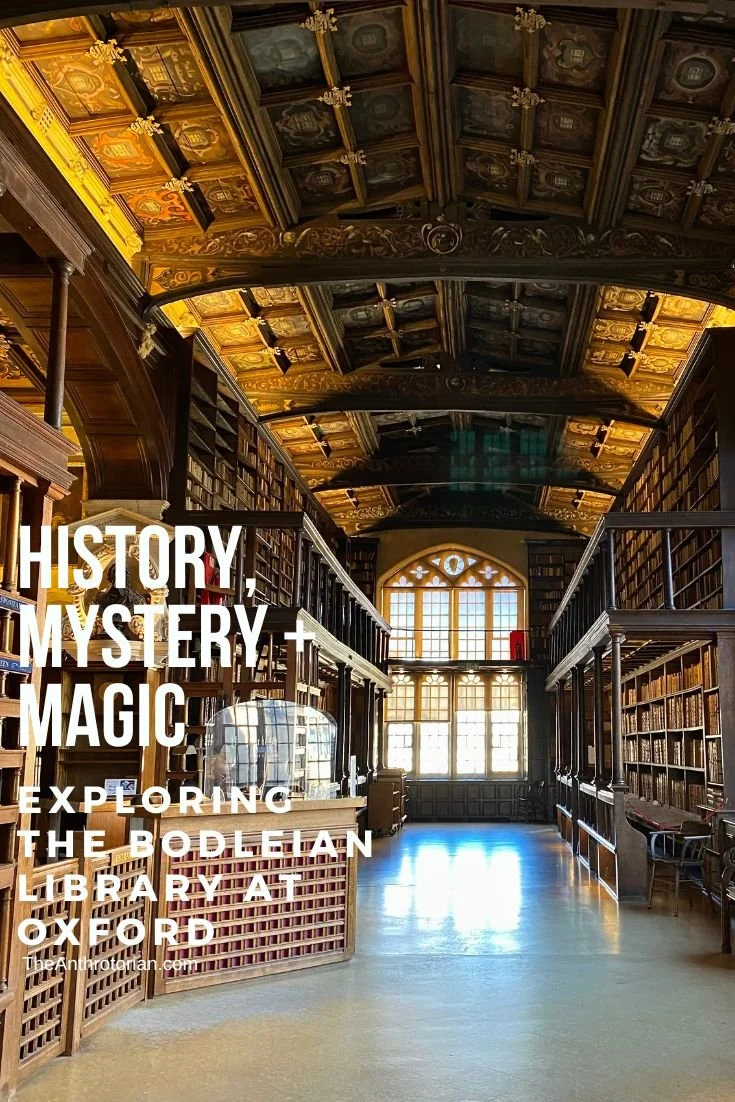
The Bodleian Library, affectionately known as "the Bod" to those that frequent it, is more than just shelves full of ancient books — it is a depository of historic knowledge and a cornerstone of Oxford University’s storied history.
On a recent visit to the UK, I boarded a train at London Paddington station that deposited me in Oxford about 45 minutes later. I walked down the historic street, filled with pubs, cafes, and shops, that took me straight to the library.

One of the best parts of strolling through the historic heart of Portugal’s cities — like Lisbon, Porto, and Lagos — is encountering the stunning decorative tiles that can be found covering the facades of both medieval and more modern homes, restaurants, cafes, churches, shops, and train stations.
But where did all these tiles come from?
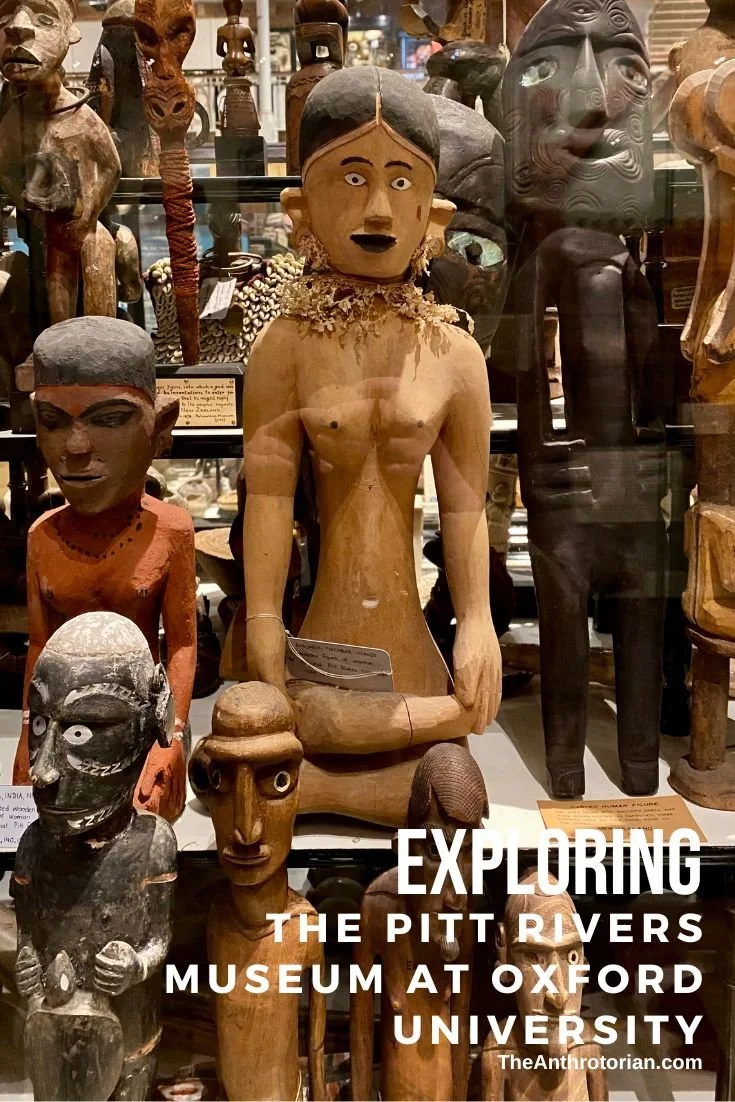
Both and assault on and a delight for the senses, the Pitt Rivers Museum in Oxford is unlike any other museum you’ve visited (seriously, I have been in museums all over the world, and none compare to this one).

Referred to by many as the Duomo, this imposing and breathtaking cathedral in Florence (it literally took my breath away the first time I saw it), is officially known as the Cathedral of Santa Maria del Fiore.
A mix of both Gothic and Renaissance architecture, its fabled dome rises above the historic city, and its intricate facade of white, green, and pink marble attracts millions of visitors each year.
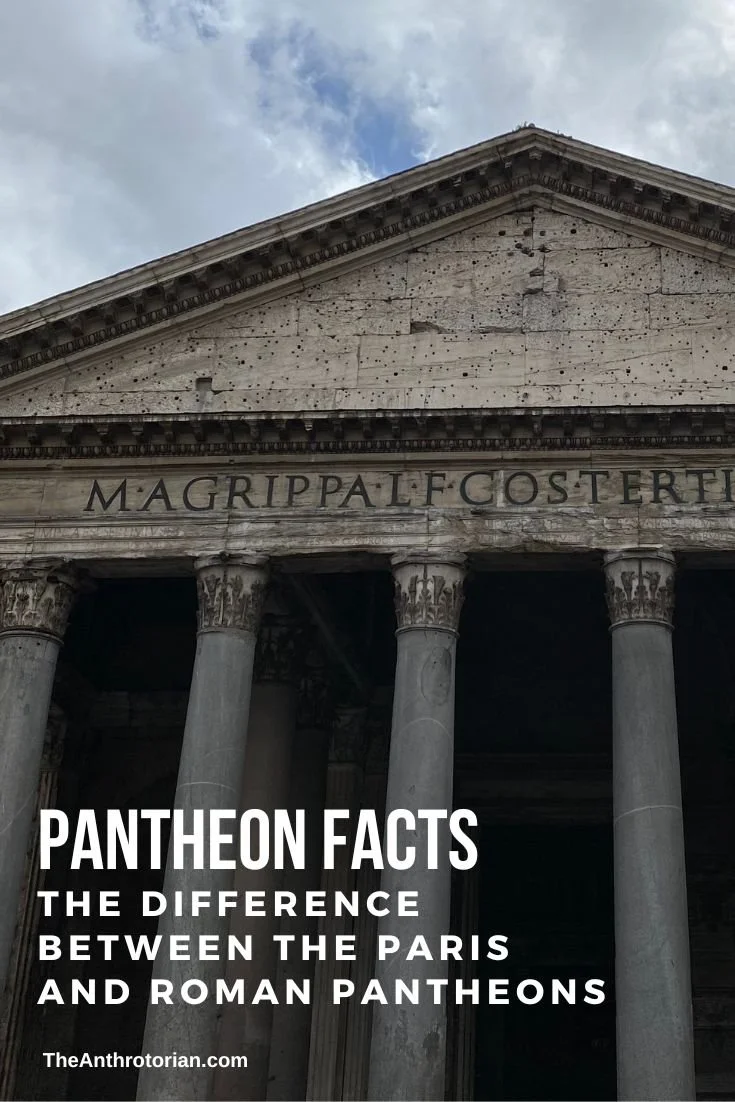
Yes, there are two famous Pantheons that you can visit in Europe — one in Paris and one in Rome — but they were both constructed for very different reasons, and were built hundreds of years apart.

The Rosetta Stone is more than an artifact; it is a symbol of discovery, persistence, and the enduring quest for knowledge. Its story reminds us that even the smallest objects can hold the key to unlocking great mysteries.

UNESCO World Heritage Sites are more than just landmarks or tourist attractions — they are globally recognized treasures that hold significant cultural, historical, and natural value.
Whether a site showcases human ingenuity, natural beauty, or a combination of both, these places serve as a reminder of our shared heritage and responsibility to preserve it for future generations.
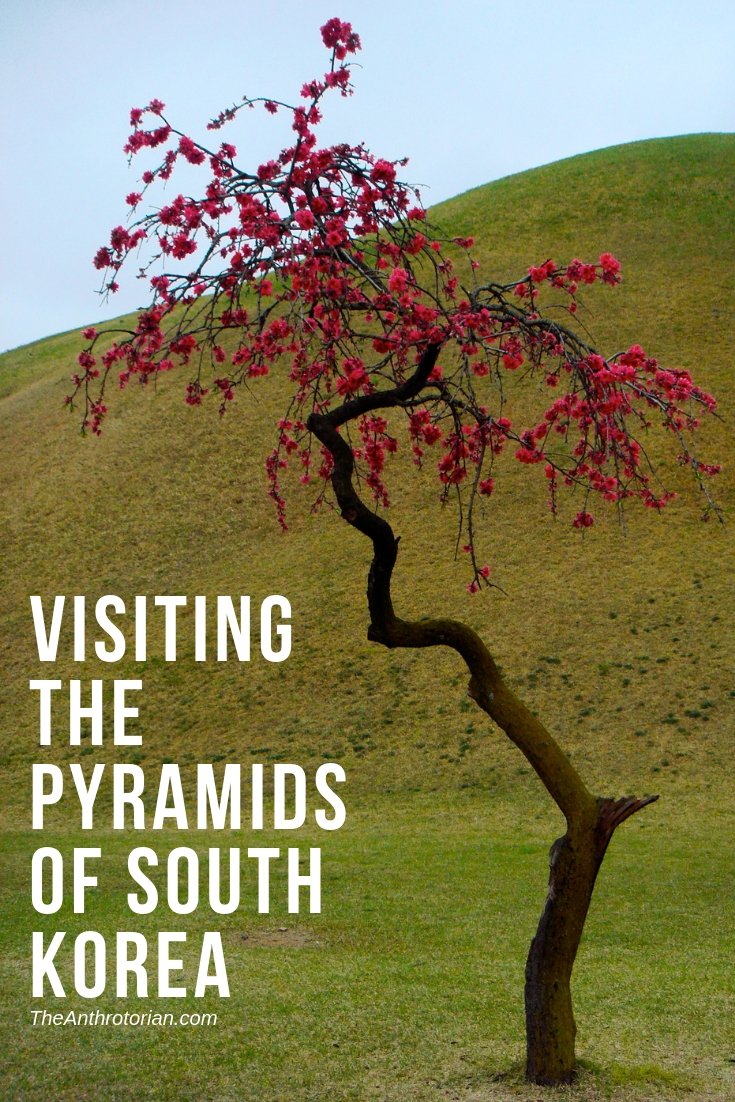
The sky was a mosaic of grey, and my face felt raw from the wind that had been whipping against it for most of the afternoon. The thin, pink silk scarf wrapped around my shoulders was doing very little to keep out the chill.
In 1974, east of what is now called Xi’an in China, peasants digging a well in their field uncovered one of the largest, and arguably the most important finds of the 20th century — an underground vault full of thousands of intact terracotta warriors and horses standing in battle formation.