I will be the first to admit that the science section of any bookstore can be a bit intimidating.
Most of the books there are by someone with "Ph.D." after their name and are written in a language that may as well be Greek to me.
Read Moreby Lindsay Shapka in Book List, Culture, Travel
I will be the first to admit that the science section of any bookstore can be a bit intimidating.
Most of the books there are by someone with "Ph.D." after their name and are written in a language that may as well be Greek to me.
Read Moreby Lindsay Shapka in Book List, Culture, People, Travel
This novel by Swedish writer Lena Andersson is a whirlwind of intense and all-to-real emotions. Though I am not usually a fan of novels, this book — translated from Swedish — jumped out at me (literally, it fell off the bookshelf as I walked by) when I walked into a bookstore while travelling in Sweden this past summer.
Read Moreby Lindsay Shapka in Book List, People, Culture
If the title of this book — The Life-Changing Magic of Not Giving a F#ck — sounds vaguely familiar, that's because it is a hilarious parody of the bestselling The Life-Changing Magic of Tidying Up.
The concept of this book is to teach you "how to stop spending time you don't have with people you don't like doing things you don't want to do" aka STOP PEOPLE PLEASING!!
Read Moreby Lindsay Shapka in Book List, Culture, Travel, People, In The News
Written by award-winning journalist Alan Weisman, The World Without Us is a fascinating book that examines all aspects of a simple question:
What would happen to the planet if human beings just disappeared?
Now, Weisman is quick to clarify that this disappearance would not be because of something violent like a natural disaster or nuclear war. No, he is examining what the result would be if all of us just suddenly vanished into thin air.
What would happen to the land, the cities, the ocean, the climate, our garbage, our art? How long — if ever — would it take for all human traces to disappear?
Weisman’s does a great job of approaching these questions from all angles and taking readers through his journey of discovery and research.
The New York Times Book Review called it “A fascinating eco-thriller…” and I couldn’t agree more — I couldn't put it down or stop talking about it with my friends and family (sorry guys).

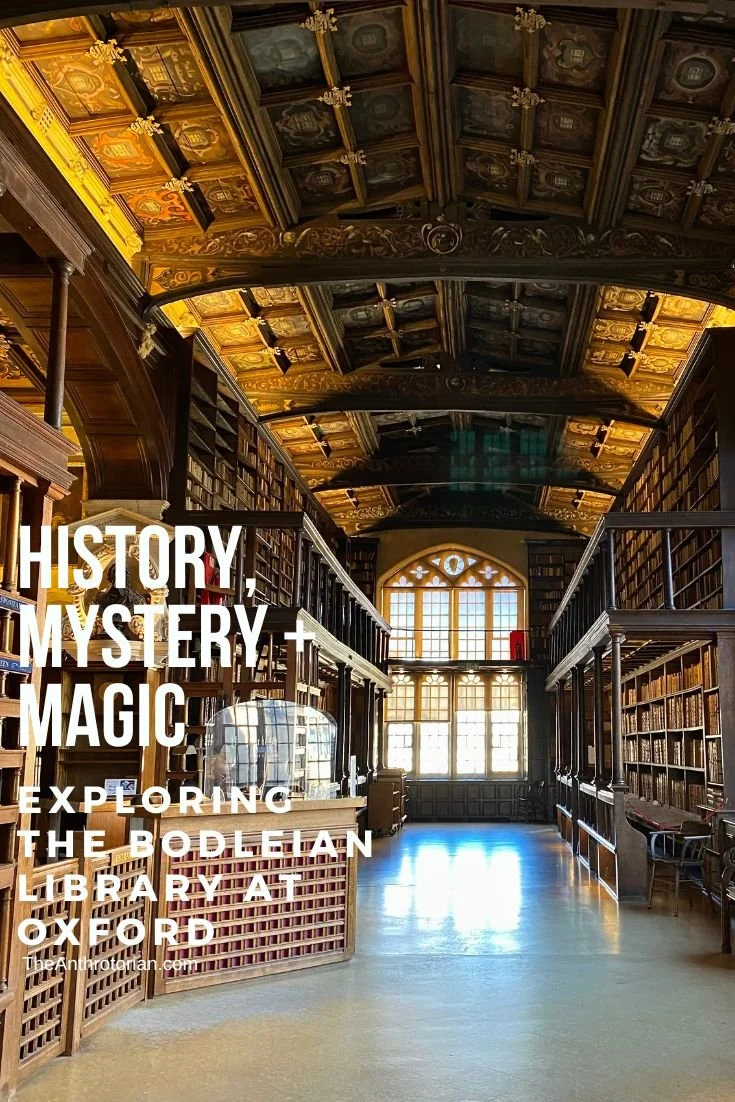
The Bodleian Library, affectionately known as "the Bod" to those that frequent it, is more than just shelves full of ancient books — it is a depository of historic knowledge and a cornerstone of Oxford University’s storied history.
On a recent visit to the UK, I boarded a train at London Paddington station that deposited me in Oxford about 45 minutes later. I walked down the historic street, filled with pubs, cafes, and shops, that took me straight to the library.
One of the best parts of strolling through the historic heart of Portugal’s cities — like Lisbon, Porto, and Lagos — is encountering the stunning decorative tiles that can be found covering the facades of both medieval and more modern homes, restaurants, cafes, churches, shops, and train stations.
But where did all these tiles come from?
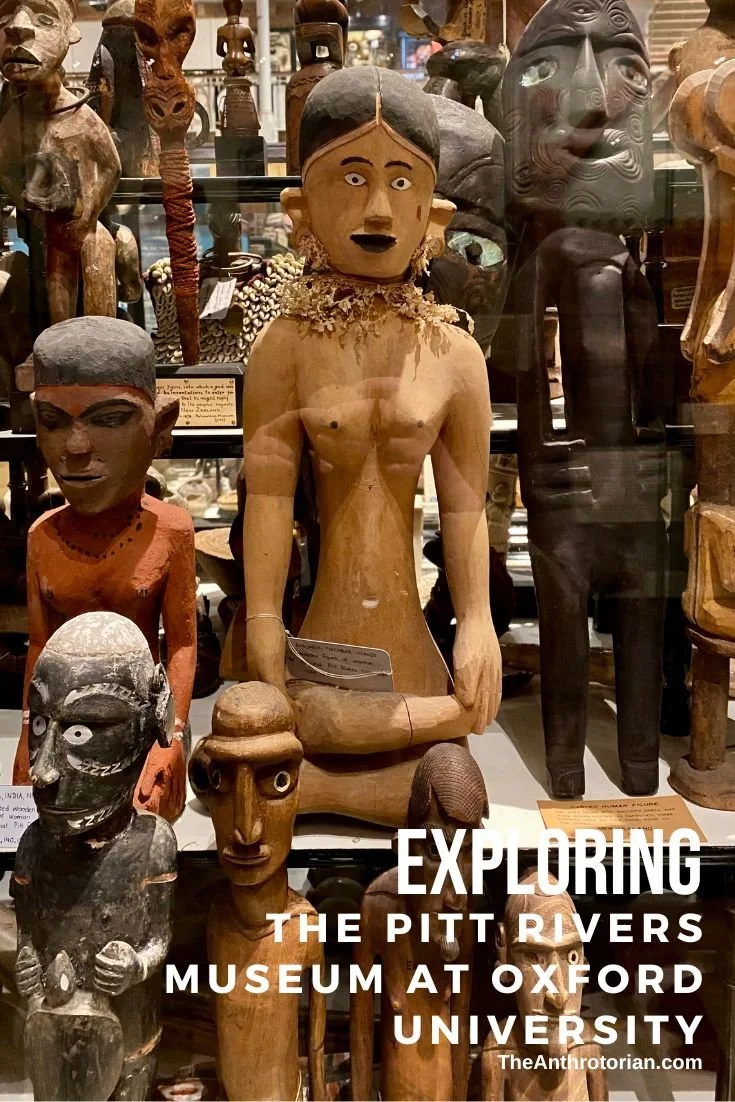
Both and assault on and a delight for the senses, the Pitt Rivers Museum in Oxford is unlike any other museum you’ve visited (seriously, I have been in museums all over the world, and none compare to this one).
Referred to by many as the Duomo, this imposing and breathtaking cathedral in Florence (it literally took my breath away the first time I saw it), is officially known as the Cathedral of Santa Maria del Fiore.
A mix of both Gothic and Renaissance architecture, its fabled dome rises above the historic city, and its intricate facade of white, green, and pink marble attracts millions of visitors each year.
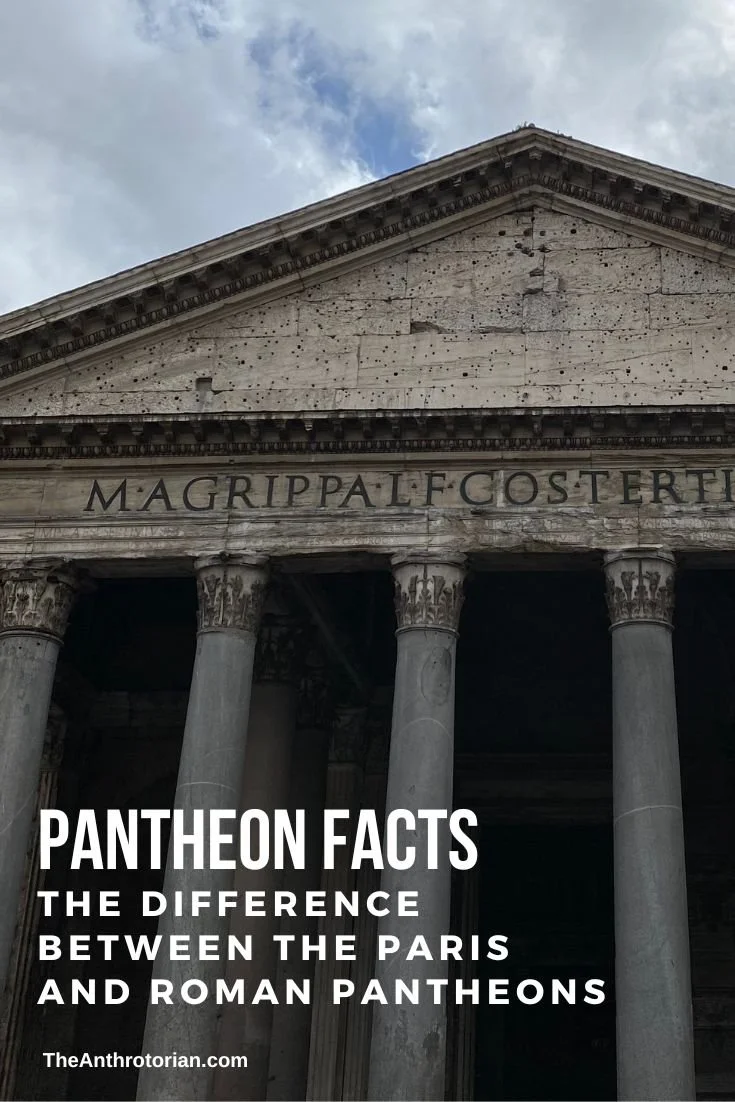
Yes, there are two famous Pantheons that you can visit in Europe — one in Paris and one in Rome — but they were both constructed for very different reasons, and were built hundreds of years apart.


In 1974, east of what is now called Xi’an in China, peasants digging a well in their field uncovered one of the largest, and arguably the most important finds of the 20th century — an underground vault full of thousands of intact terracotta warriors and horses standing in battle formation.