Before any trip, I hand write (yes, on physical paper) a packing list. I usually start it about a week out, and add to it up to — and sometimes during — when I actually begin to assemble everything that I am going to take with me.
I usually have a staging area, where I start to gather all of the items, and the from there, I refine and cull things down.
While the packing list for every trip is different, there are some consistent things that I pack for similar trips.
This master solo camping packing list was created from the items that I brought with me on my last two trips. Note that I also hike in the mountains during these trips, so my hiking gear is also included in this list. You can use this list if you have two or more people, you will just need to double up on items like sleeping bags, pillows, etc.
You can download the concise list as a pdf here: Solo Camping and Hiking Packing List [PDF]. The version below contains a little more detail than the download, as well as some suggestions and tips.

Solo Camping and Hiking Packing List
Sleeping gear
Tent
Sleeping bag
Sleeping pad
Pillow (you can also just bring a pillowcase and stuff clothes in it)
Hot water bottle (important when solo camping if the temp drops at night)
Blanket (I bring a warm blanket to cover my head and shoulders when it’s cold)
Camp gear
Duct tape (I never go anywhere without it!)
Kleenex
Swiss Army Knife
Matches/Lighter
Flashlight
Lamp
Rope
Hatchet
Large (Ikea-sized) bags to carry wood
Cooking gear
Stove
Propane
Plate
Bowl
Knife, fork, spoon
Cup and glass
Pots and pans
Spatula, tongs
Small cutting board
Water bottles
Spices
Olive oil
Dish soap
Sponge
Dishtowel
Table cloth (I just use a towel or thin blanket)
Rain gear
Bags to use for garbage
Extra zip lock bags
Book
Camp chair
Tarp(s)
Food
Cooler
Ice or ice packs
Snacks
Breakfast, lunch, dinner (times the amount of days)
Hiking food
Coffee
Tea
Technology
Power bank
Cables to charge devices
Playlists ready for the drive
Toiletries
*NOTE: Remember not to bring anything scented, as it may attract animals. Keep your toiletries out of the tent and leave the scented lotions at home.
Mosquito spray
Sunscreen
Face cloth
Towel
Toothbrush
Toothpaste
Contacts and contact solution (if needed)
Glasses (if needed)
Face wash
Face lotion (unscented)
Lip balm
Shampoo/Conditioner
Brush
Soap
Lotion
Clothing
Bathing suit (Read: 8 Lake to Jump Into in Jasper)
Water shoes
Warm layers to sleep in
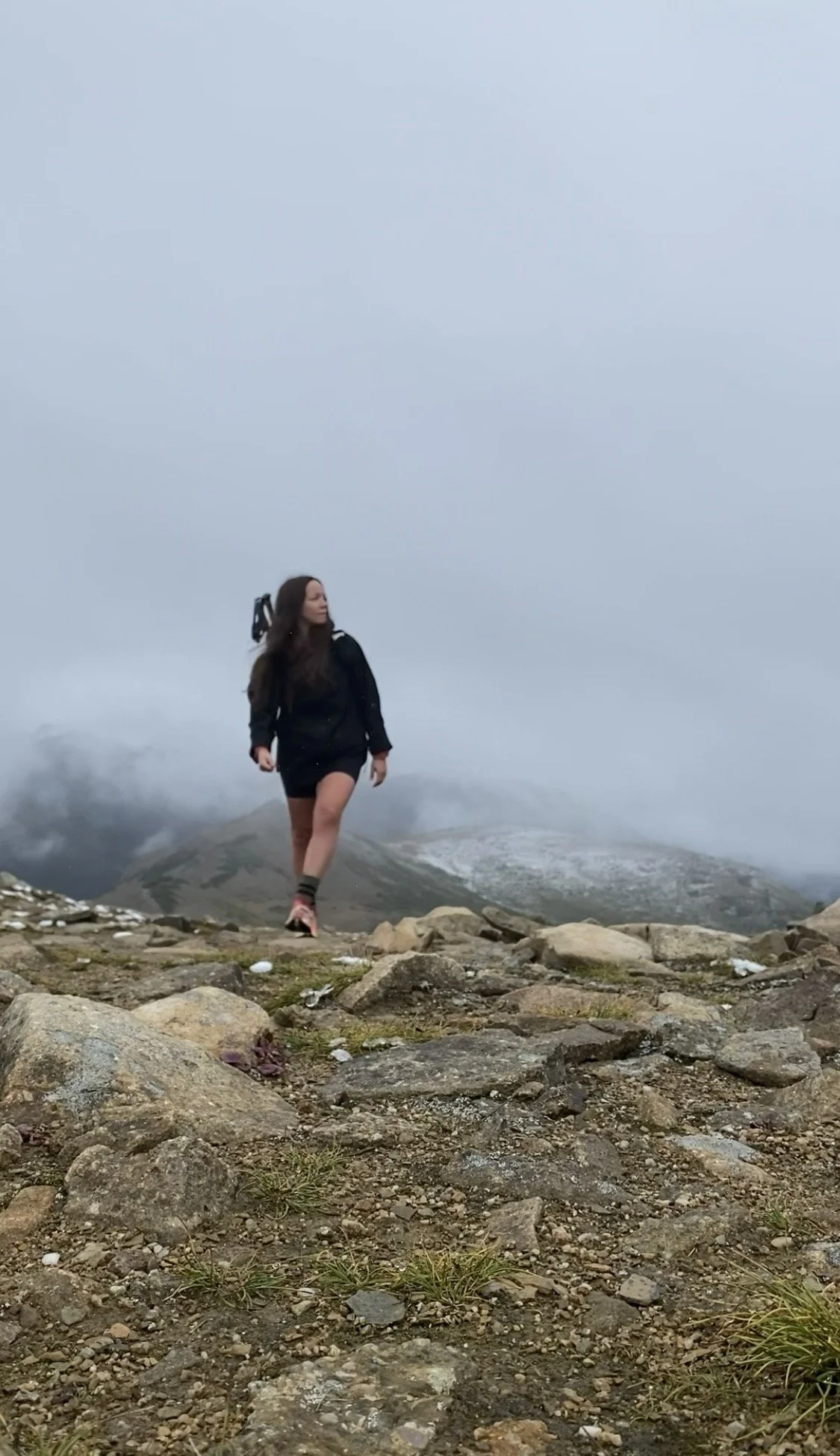
Hat and mittens (yes, even in the summer — it can get cold in a tent when you are solo)
Hiking clothing
Hiking socks
Clothing for additional activities like kayaking, walking through a mountain town, driving, sitting by the fire, etc. Make sure you are prepared for all weather.
Hiking shoes/boots
Sandals
Rubber boots (If you know it is going to rain — from recent experience, this is really nice to have at your campsite)
Hiking gear
Paper map of your route
Hiking book with details of your trail
Bathroom kit (toilet paper in a zip lock bag with extra bags to carry the used bits out with you)
Bear spray (Read: Bear Safety: How to Stay Safe When Camping + Hiking in Bear Country)
Emergency poncho
Backpack
Hiking poles
First aid kit
Extra zip lock bags in case it rains
Rain cover for your pack
Extras
Kayak, canoe and/or paddle board
Life jacket
Tip: Before You Leave
Before I even leave home, I always look up the campsite I am visiting and check for any bulletins with animal warnings or fire bans, so that I know what to expect when I arrive. I also look up the hike I am planning on doing to see if there are any bear warnings, and to ensure I am aware of the trail conditions. This is important to do, so you know how to best prepare for your trip.
Related Posts

Meet The Author
Lindsay Shapka is an avid traveler and the creator of The Anthrotorian — a website dedicated to sharing travel tips, stories about adventures, culture quirks, artists you should know, fascinating bits of history, and more!
She is also an artist, marketing specialist, editor, and freelance writer who has work featured on websites, blogs, and in magazines like National Geographic Traveler.


In 1974, east of what is now called Xi’an in China, peasants digging a well in their field uncovered one of the largest, and arguably the most important finds of the 20th century — an underground vault full of thousands of intact terracotta warriors and horses standing in battle formation.